

17 Jun Delivering architectural metalwork on complex, blue-chip projects
Exploring how early contractor input, good planning and controlled delivery keep complex architectural metalwork on track.
Complex city-centre projects place heavy demands on every trade involved, and architectural metalwork is no exception. Staircases, balustrades, terraces and plant areas are often highly visible, closely coordinated with other packages and expected to perform for the life of the building. In that context, the way the metalwork package is planned and delivered has a direct impact on both programme and safety.
Early design involvement and planning are critical to successful architectural metalwork on premium London projects. When a specialist metalwork contractor is engaged early, issues can be identified and resolved on paper rather than on site, where they are more disruptive and expensive to deal with. That early contribution supports clearer technical information, better coordination and a smoother route from design intent to finished installation.
Precast concrete stair flights are a good example of the value of early engagement. Where the metalwork contractor is involved early enough, cast-in elements can be designed into the concrete flights to receive the balustrades. This reduces installation time on site and avoids the need for post-fixed anchors, which in turn removes site drilling and the health and safety issues that come with it, including silica dust.
Where engagement happens even earlier, the process can go a step further. The balustrades can be manufactured in advance and pre-fitted to the precast concrete flights before they are installed on site. This is a design-led approach, but it reduces working at height and can remove the need for temporary handrails to be installed and then removed later in the programme.
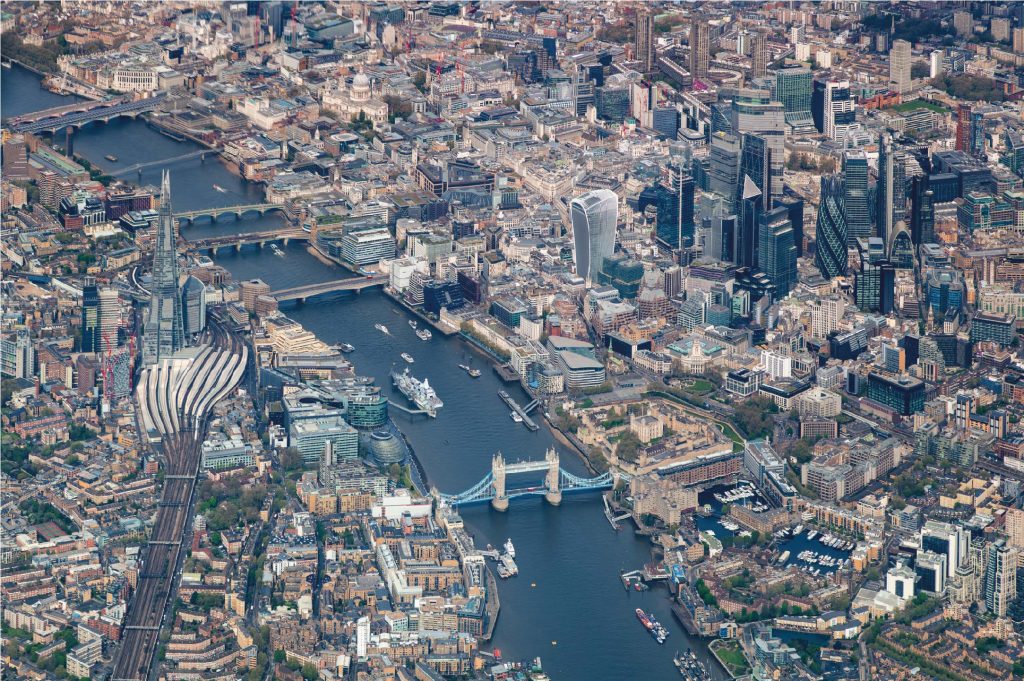
On complex schemes such as One Broadgate at Liverpool Street and One Bank Street in Canary Wharf, architectural metalwork sits within complex structures and heavily serviced environments. Balustrades, staircases, terraces, plant areas and feature elements all interact with structural frames, façade systems, fit-out packages and services, so details need to be worked through properly before fabrication begins. Bringing the metalwork contractor in early makes it easier to review fixing points, tolerances, access and installation sequence while there is still time to make sensible adjustments.
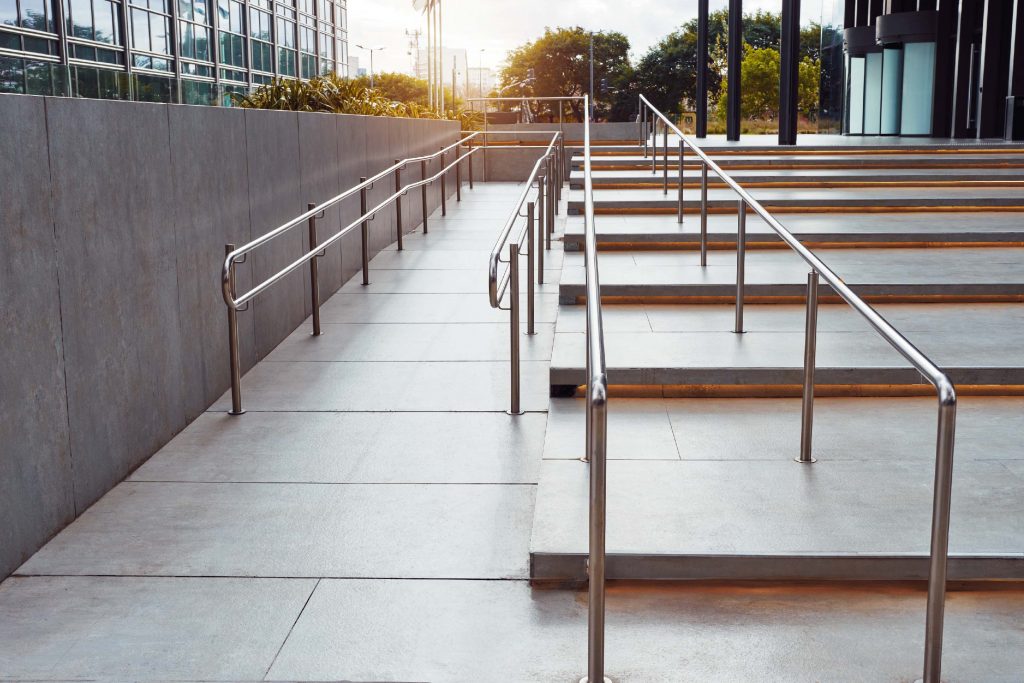
One Broadgate is a good example of the level of coordination often required on large commercial schemes. PAD Contracts was appointed by Sir Robert McAlpine on behalf of British Land for architectural metalworks on the mixed-use 14-storey development, which provides 500,000 sq ft of office space with retail at ground and lower ground level as part of Broadgate Central. On that project, PAD designed, manufactured and installed balustrading for the 14-storey staircase, with a different colour for each floor in line with the architect’s brief, alongside external guardrails and handrails with integrated linear LED lighting to the entrance steps.
Projects of that kind show why planning matters as much as fabrication. Complex metalwork packages often involve temporary works, lifting plans, access restrictions and close coordination with other trades. If those points are not addressed early, even relatively straightforward elements can become difficult to install once the site is busy and interfaces are fixed.
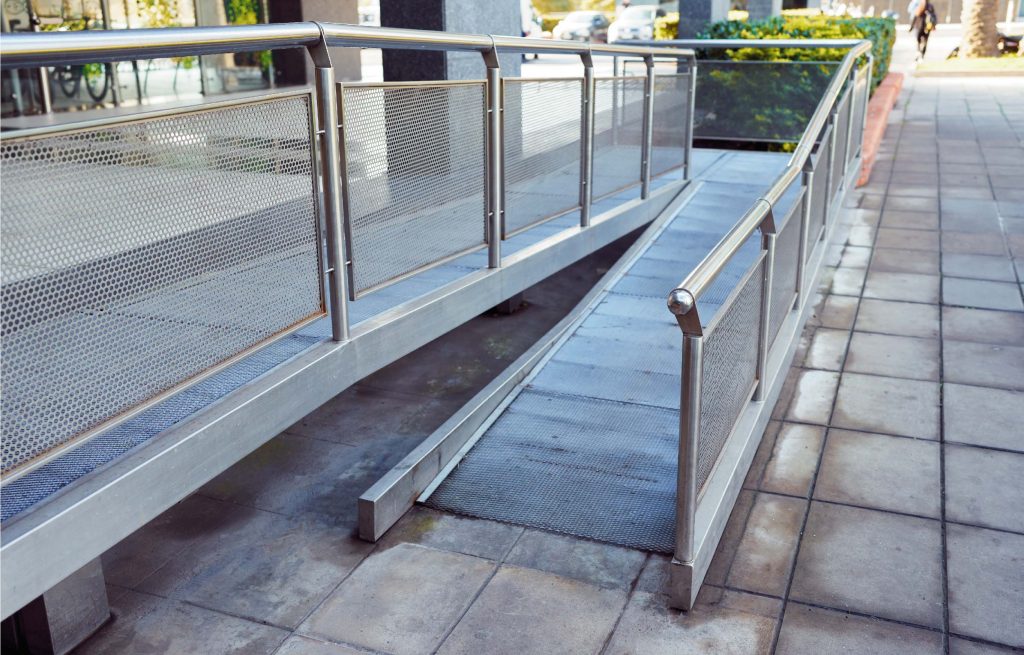

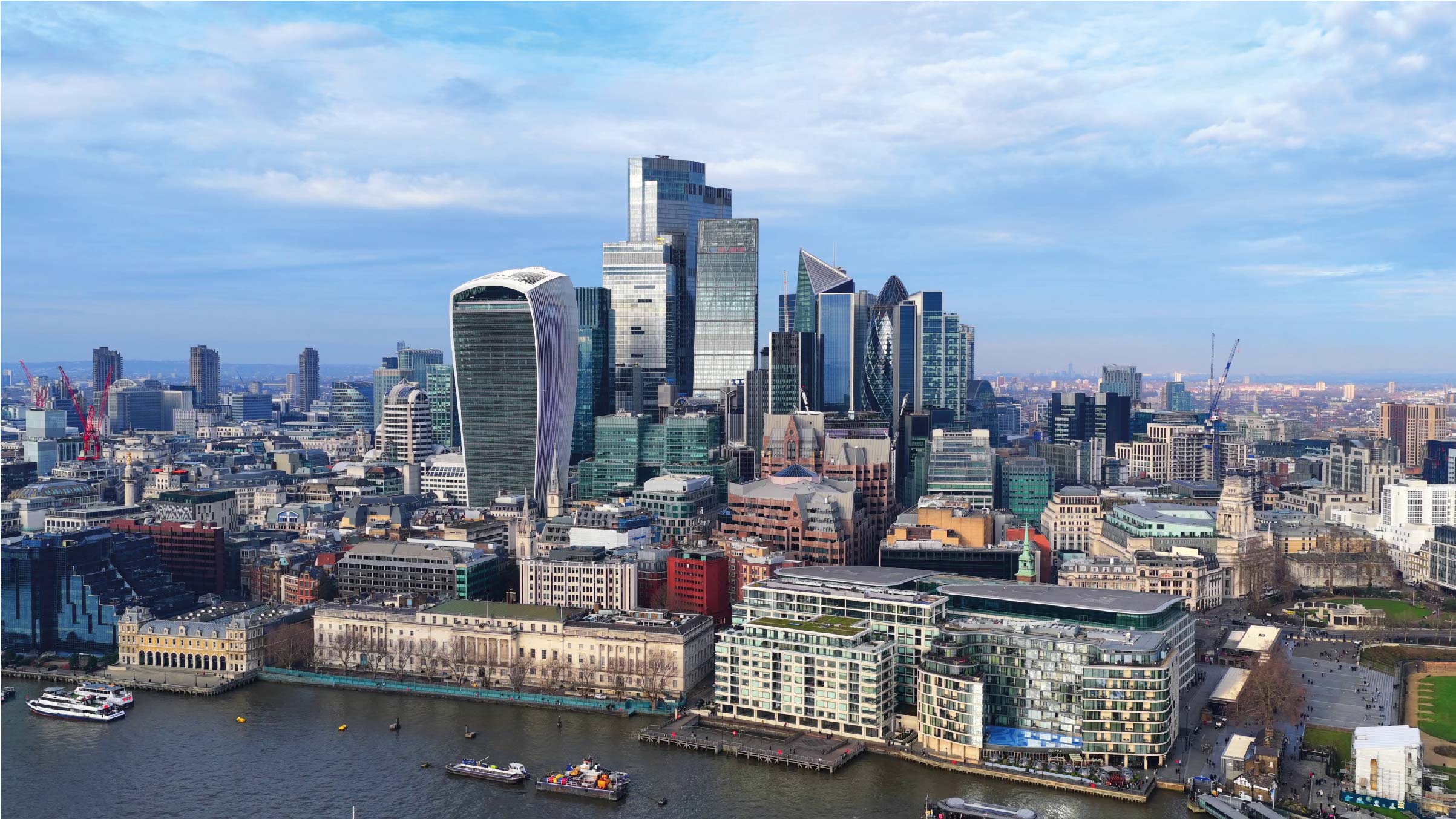
The same principle applies on major towers such as One Bank Street in Canary Wharf. PAD Contracts’ project page for the scheme highlights the company’s involvement on a high-profile London commercial development, and jobs of that scale demand a controlled approach to design, manufacture and installation from the outset. On these types of projects, programme pressure is high, working areas are often restricted and adjacent packages are moving at the same time, so practical planning is essential if delays are to be avoided.
Early involvement also leads to better technical documentation. A specialist metalwork contractor can help refine drawings and specifications so they reflect what can actually be made, transported and installed safely and efficiently. That reduces ambiguity, cuts down on site queries and improves coordination with adjoining trades such as structural steel, concrete, glazing and cladding.
When it comes to avoiding problems on site, the work done up front usually pays for itself. Many delays on complex projects can be traced back to unclear details, late changes or assumptions that do not hold up once installation starts. If the metalwork package has been reviewed properly at design stage, there is less chance of redesign, rework or disruption once materials are on site and labour has been allocated.